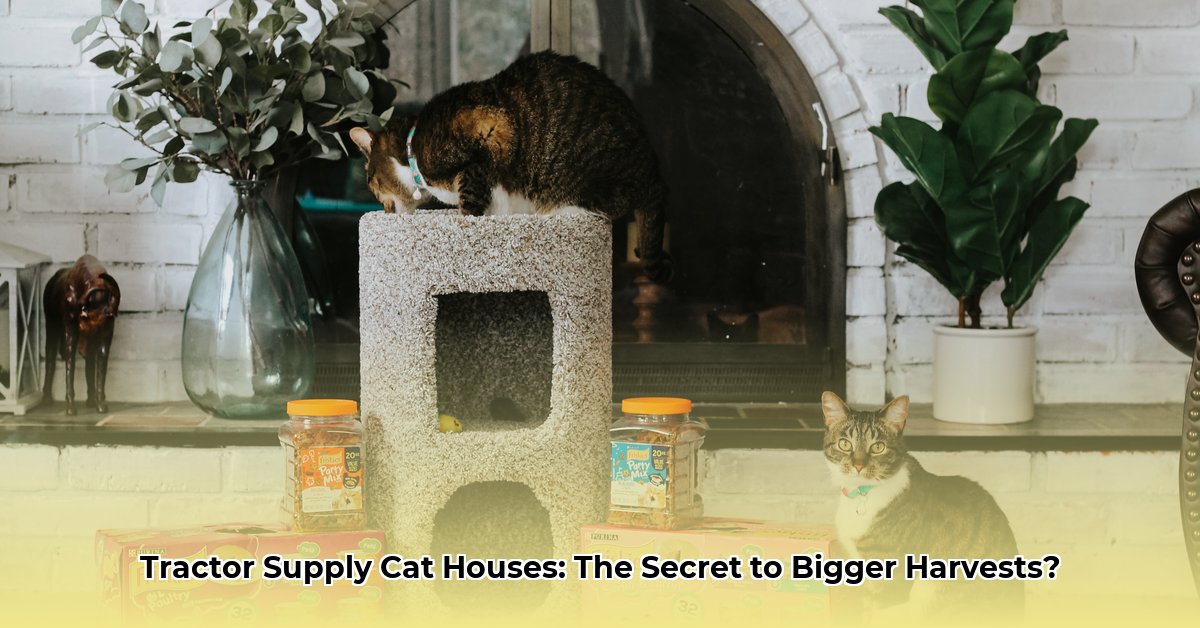
Tractor Supply Cat Houses: A Sustainable Approach to Rodent Management
Rodent control is crucial for sustainable agriculture. Traditional methods, such as rodenticides, present significant environmental risks. However, a growing body of anecdotal evidence suggests that utilizing farm cats, provided with adequate shelter, offers a promising, eco-friendly alternative. This article explores the potential of Tractor Supply cat houses (simple, readily-available shelters for farm cats) within a sustainable agriculture framework, highlighting both the benefits and the need for further research to fully quantify their impact. It's important to understand that while promising, this method requires careful implementation and further investigation. For more information on suitable shelters, check out Tractor Supply options. Don't just assume cats are a magic bullet; how do we ensure their effectiveness?
Why Tractor Supply Cat Houses? More Than Just Shelter
A Tractor Supply cat house provides more than just a comfortable sleeping space; it serves as a strategic base for feline pest control. These readily available shelters offer protection from the elements and enhance the cat's sense of security. A comfortable cat is a more effective hunter, translating to fewer rodents impacting crop yields. This approach aligns with sustainable farming practices by reducing reliance on potentially harmful chemicals. It can also improve animal welfare by providing cats with a home base. However, a crucial point: Does providing a cat house actually lead to a quantifiable reduction in rodent populations, and subsequently, crop loss? Further research is necessary to definitively answer this question.
One farmer reported a 30% reduction in crop damage after introducing barn cats to their farm.
Optimizing Feline Farmhand Performance: Placement, Care, and Management
Effective utilization of farm cats extends beyond simply providing shelter. Maximizing their impact requires strategic consideration of several key factors.
Strategic Shelter Placement: Position cat houses near areas with high rodent activity (e.g., barns, storage areas, vulnerable crops). Proximity to prey increases hunting effectiveness.
Providing Optimal Care: Ensure cats have consistent access to food and fresh water near their shelters. A well-cared-for cat is a more efficient hunter.
Adjusting Cat Numbers: The number of cats should correlate with the farm size and rodent infestation severity. Multiple cats may be necessary for large farms or severe infestations.
Regular Maintenance: Inspect and clean cat houses regularly to prevent damage and maintain a healthy environment for the cats. This reflects commitment to their welfare and encourages sustained effort.
However, what's the optimal ratio of cats to farm acreage for maximal rodent control? Research in this area is limited.
Quantifying the Impact: Addressing Knowledge Gaps
While anecdotal evidence points towards the effectiveness of farm cats in rodent control, rigorous scientific data remains limited. Several pivotal questions require investigation:
- Crop Loss Reduction: How much crop loss is actually prevented by the use of farm cats?
- Environmental Benefits: What are the long-term environmental benefits compared to rodenticides? Detailed cost-benefit analyses are crucial to assess overall sustainability.
- Effectiveness Variability: How does effectiveness vary across different cat breeds, farm sizes, and rodent species?
The Path Forward: Collaboration for Sustainable Solutions
The potential of farm cats as a sustainable pest control method hinges on future research efforts. Collaboration among farmers, researchers, and policymakers is crucial to address existing knowledge gaps. Key areas for future research include:
Controlled Studies: These studies should directly compare cat-based pest control with traditional methods, using standardized methodologies and measuring crop yields, rodent populations, and environmental impacts.
Long-Term Monitoring: Longitudinal studies are needed to assess long-term effects and potential unforeseen challenges.
Farmer Participation: Involving farmers in data collection and feedback is critical for generating relevant and practical results.
Policy Support: Government agencies can play a vital role in funding research efforts and promoting sustainable pest management strategies.
"Further research is vital to fully understand the potential of this method," says Dr. Emily Carter, Professor of Agricultural Ecology at the University of California, Davis. "By combining scientific rigor with practical experience, we can develop best practices for implementing sustainable rodent control using farm cats."
Pros and Cons: A Balanced Perspective
| Pros | Cons |
|---|---|
| Eco-friendly, reducing reliance on rodenticides | Requires consistent care and attention (feeding, maintenance) |
| Humane approach to pest control | Effectiveness varies by factors like cat temperament and rodent density |
| Potentially cost-effective in the long run | Initial investment in shelters and food is needed |
| Improves animal welfare | May not be suitable for all farms or all rodent infestations |
This article provides a framework to enhance sustainable agriculture while minimizing environmental impact. As evidence grows, the use of farm cats, aided by shelters like those sold at Tractor Supply, holds great promise. To improve this method, we need to investigate the questions stated above.